

The problem
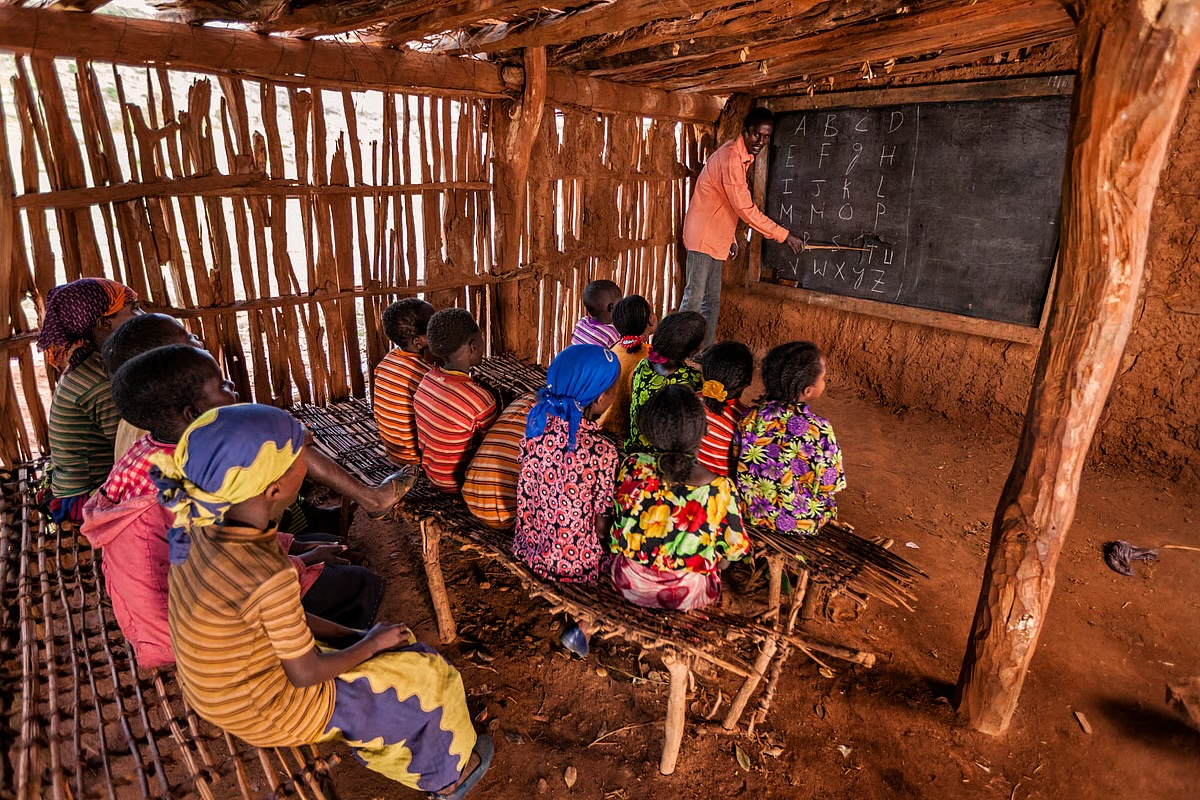
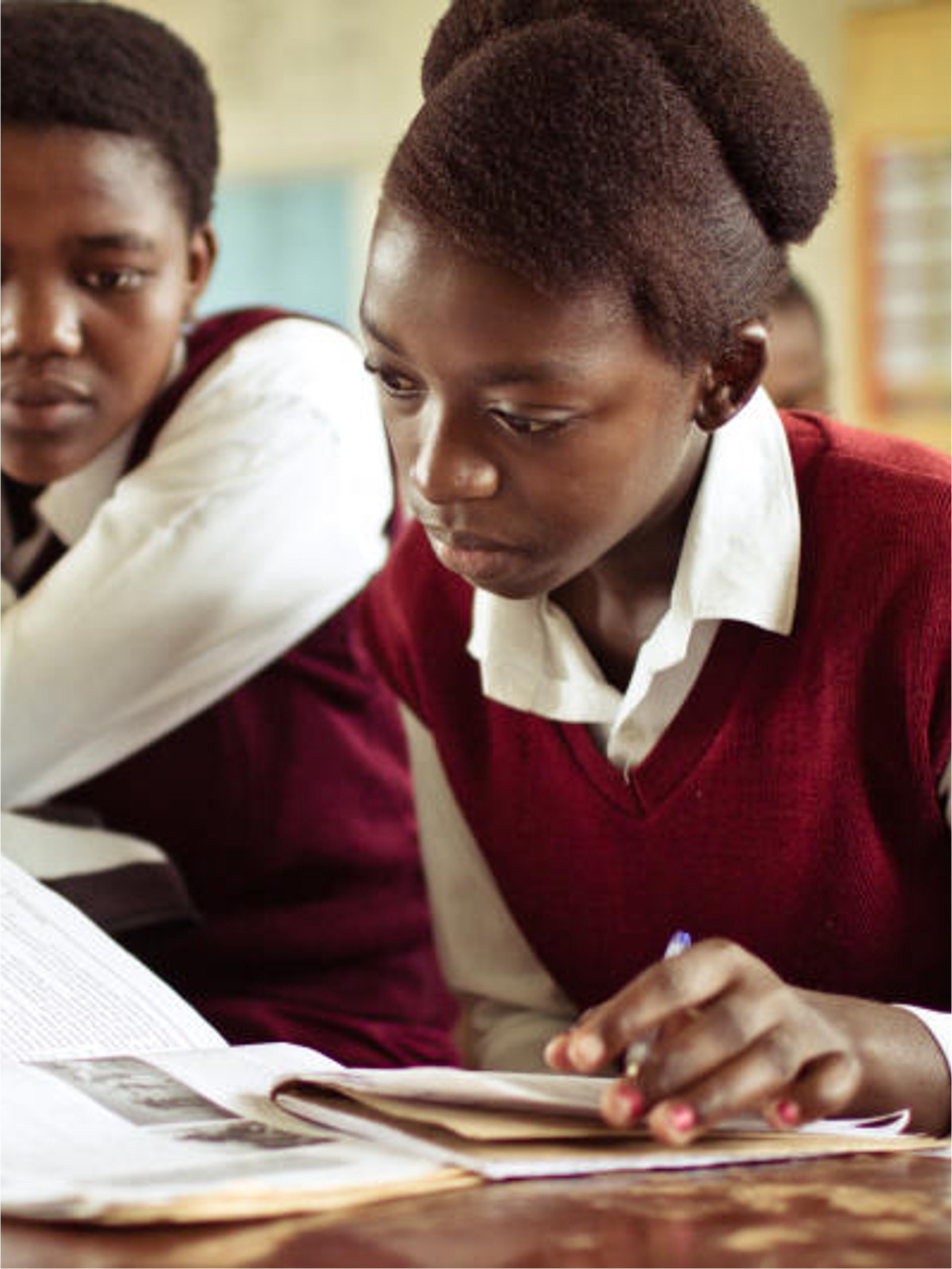
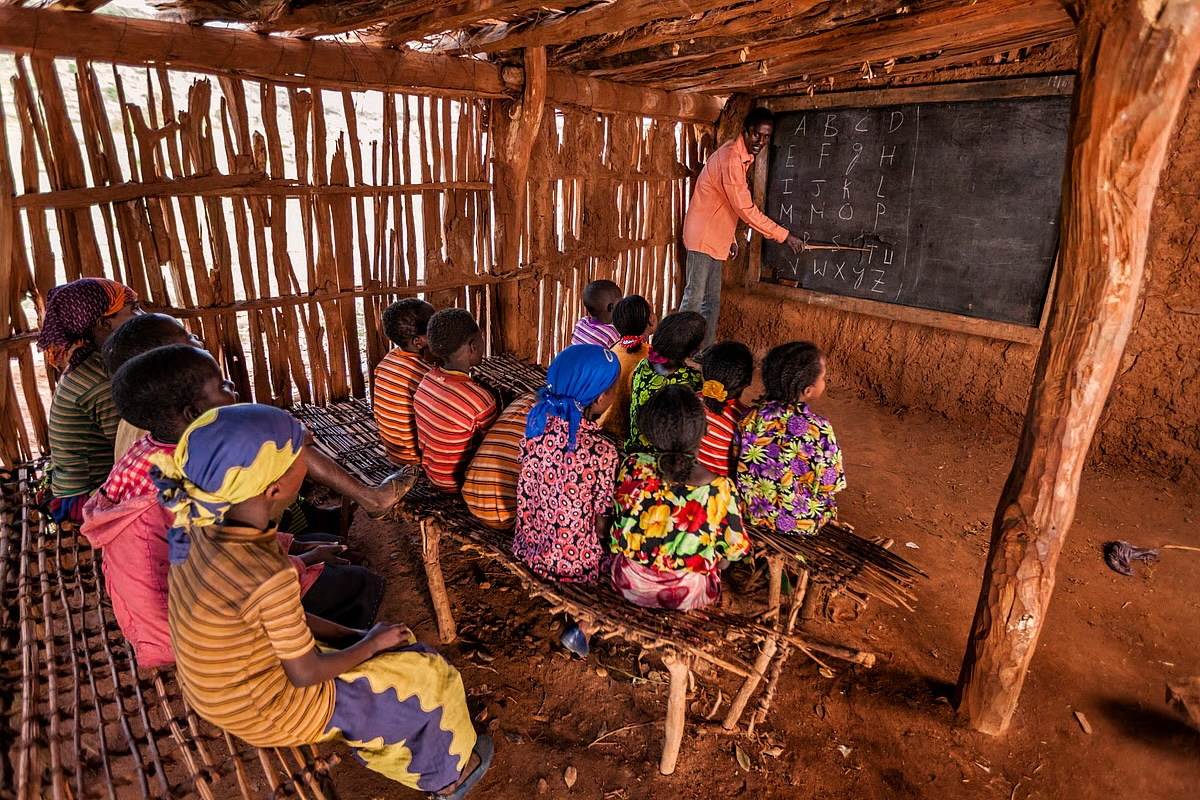
Many children with disabilities in Africa still lack access to systematic, high-quality literacy instruction. As school systems prioritize foundational reading reforms, it is crucial to ensure these improvements reach children with disabilities in all education settings.

Our approach
We develop and share research-based, multilingual teaching and learning materials; generate actionable evidence about what works; and provide technical expertise to promote accessible, inclusive, and effective literacy instruction for all children with disabilities.

Our vision
When teachers know how to deliver inclusive, high-quality reading instruction and have practical tools to put that knowledge into practice, children with disabilities can grow up literate, confident, and fully able to participate in their families, schools, and communities.
Who we are
Teacher-researchers with a passion for evidence and equity

Teacher-researchers
We are teachers first, with deep experience supporting children with disabilities in public and low-cost private schools, and we ground our work in what real classrooms and communities need.

Evidence and equity
We generate evidence and translate it into practical tools and guidance, helping literacy instruction reach every child with a disability and advance real equity in the classroom.
10%
African children who can read a simple passage by age 10
29M
children with disabilities in Eastern and Southern Africa
25%
literacy gap between adults with and without disabilites globally
Our approach
We support teachers & those who support them
Teaching & Learning Materials
We provide research-based and evidence-based instructional materials that can support the learning needs of multilingual children with disabilities.

Online Teacher Professional Development
We showcase teachers who are using our learning materials, so you can learn from your peers.

Research
We generate evidence about what works—and what doesn’t—for improving the literacy outcomes of children with disabilities in Africa.
Technical Expertise
We provide technical expertise about accessible, inclusive, and effective literacy instruction.
Knowledge Base
Our blog showcases research and innovation in inclusive literacy instruction in Africa and beyond.

FAQ
Frequently asked questions
What do you mean by accessible foundational literacy instruction ?

We are primarily focused on supporting foundational literacy: the basic reading and writing skills that children typically develop in the early years of schooling. This includes the ability to recognize letters and sounds, read simple words and texts with understanding, and express ideas through writing — all of which are essential for further learning and participation in school and daily life. Accessible means that learning materials, teaching methods, and environments are designed so all children, including those with disabilities, can use and benefit from them.
What do you mean by disability?
By “disability,” we mean any condition that affects a child’s ability to access literacy instruction or learn to read and write. This can include intellectual disabilities, physical disabilities, sensory disabilities (like vision or hearing loss), autism, ADHD, specific learning disabilities such as dyslexia or dysgraphia, and other conditions—including language-related needs—that impact how a child learns.
How can we start working together?
Reach out to us at [email protected] to start the conversation.
Recent Articles
Knowledge Base
-
Solving the fluency problem
There are five problems that could keep a program from demonstrating an improvement in fluency.

No one is too anything to learn to read and write—not too intellectually, emotionally, neurologically, or physically challenged to become literate.
David Yoder